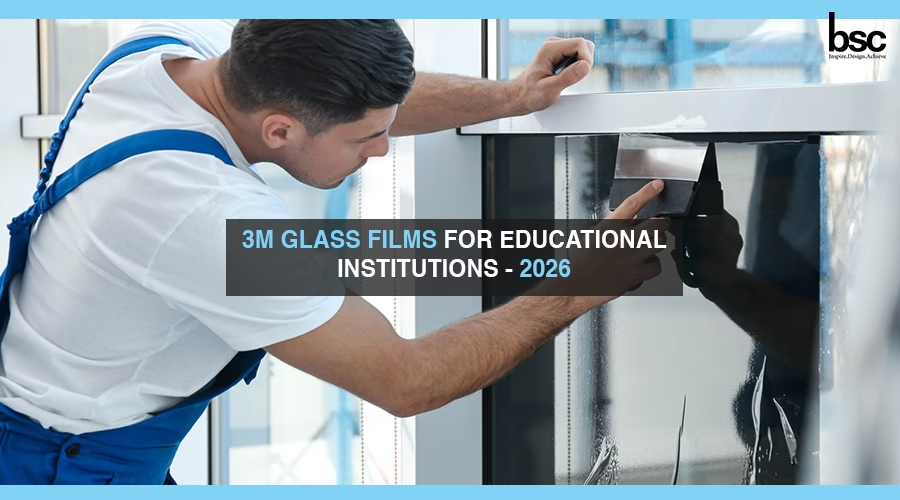
3M Glass Films are innovative surface solutions designed to enhance the performance of existing glass installed in buildings. In educational institutions—where glass is extensively utilized in classrooms, corridors, and exterior walls—these films offer a practical solution for improving comfort, safety, and functionality without the need to replace the glass itself. They are engineered with multiple layers of polyester and specialized coatings that help regulate heat, reduce glare, and reinforce glass surfaces.
In today’s schools and universities, infrastructure plays a pivotal role in the learning experience. Glass films serve as an invisible upgrade that enhances the functionality of spaces without compromising their aesthetic appeal. Easy to install and capable of delivering exceptional, long-lasting performance, they prove to be a prudent investment for institutions seeking to elevate their environment.
Importance of Glass Films in Educational Institutions
Nowadays, educational institutions are designed with principles of openness and natural lighting in mind. Large windows and glass partitions make spaces bright and collaborative; however, they also give rise to several issues, such as excessive heat, glare, and a lack of privacy. These problems can have a direct impact on students’ concentration, as well as their overall comfort.
Glass films offer an excellent solution to mitigate such issues by regulating the amount of sunlight entering the building. They help create a balanced indoor environment where students and teachers can focus their attention without any distractions. Furthermore, they enhance the functionality of these spaces by reducing the need for artificial cooling and lighting systems.
Types of 3M Glass Films Used in Educational Spaces
Here’s the breakdown of all types of 3M Glass Films in educational spaces:
Solar Control Films
Solar control films are specifically designed to reduce the heat and glare resulting from direct sunlight. In classrooms featuring large windows, excessive sunlight can render the environment uncomfortable and disrupt the learning process. These films are capable of blocking a significant portion of solar energy while still allowing natural sunlight to filter through.
By maintaining a relatively stable indoor temperature, solar films create a more comfortable environment for students. They also help alleviate the strain on air conditioning systems, potentially leading to improved energy efficiency and cost savings over the long term.
Safety and Security Films
In educational institutions—where the safety and security of students and staff are of paramount importance—safety and security films are indispensable. These films reinforce glass, preventing it from shattering into dangerous shards upon impact. Instead, the glass remains intact, thereby significantly reducing the risk of injury.
Beyond safety, these films also enhance security by making it more difficult for intruders to break through glass doors or windows to gain entry. This additional layer of protection contributes to a safer campus environment, offering peace of mind to both administrators and parents.
Privacy Films
Privacy films are widely utilized in areas where confidentiality is essential, such as administrative offices, staff rooms, and counseling areas. These films obscure the view from the outside while still allowing natural light to enter, thereby fostering a comfortable and private atmosphere.
Unlike traditional solutions such as curtains or blinds, the use of privacy films lends a modern and sleek aesthetic to the space. They are available in a variety of finishes—such as frosted and patterned options—enabling institutions to select choices that complement their interior décor.
Decorative Films
Decorative films are utilized to enhance the aesthetic appeal of educational spaces. These can be customized with designs, patterns, or branding elements to create a visually engaging environment. Such films are frequently applied in hallways, libraries, and common areas to elevate the overall look and feel of the campus.
By seamlessly blending functionality with design, decorative films assist institutions in creating spaces that are both attractive and practical. They contribute to fostering a positive atmosphere, which can, in turn, influence student motivation and engagement.
Benefits of 3M Glass Films in Educational Institutions
Here’s the breakdown of all benefits of 3M Glass Films in educational spaces:
Improved Learning Environment
For a student to achieve success, a comfortable learning environment is essential. Glass films allow for the regulation of temperature and lighting, thereby creating an atmosphere conducive to enhanced concentration and productivity. By minimizing glare and heat, these films transform classrooms into superior spaces for learning.
In a distraction-free setting, students are better able to focus on their studies without interruption. Educators also benefit from improved visibility, making it easier for them to deliver lessons effectively.
Energy Efficiency and Cost Savings
Energy consumption poses a significant challenge for large educational campuses. Cooling systems often operate continuously to maintain comfortable indoor temperatures, resulting in exorbitant electricity bills. Glass films help block incoming heat, thereby reducing the need for air conditioning.
Over the long term, this translates into substantial cost savings. Institutions can reinvest these savings into other areas—such as technology, infrastructure, or academic programs—making glass films a financially prudent choice.
Enhanced Safety and Protection
Safety is a paramount necessity in any educational environment. Glass films reinforce windows and doors, mitigating the risk of injury caused by shattered glass. In the event of an impact, the film holds the glass together, preventing it from splintering into sharp, dangerous shards.
This feature is particularly crucial in high-traffic areas where the likelihood of accidents is higher. It ensures that both students and staff remain safe and secure at all times.
UV Protection
Prolonged exposure to ultraviolet (UV) rays can cause damage to furniture, flooring, and other interior furnishings. Glass films help block a significant portion of these harmful UV rays, thereby preserving the quality and longevity of interior assets. They also contribute to creating a healthier indoor environment by minimizing exposure to harmful radiation. This is particularly beneficial for students and staff who spend extended periods inside the building.
Privacy and Space Utilization
Privacy is paramount in certain sections of educational institutions. Glass film offers an excellent solution that reduces interior visibility without obstructing natural light. This ensures that the space remains open and well-lit, while simultaneously maintaining privacy wherever required.
By eliminating the need for alternatives such as curtains, these films also facilitate optimal space utilization and help maintain a clean, uncluttered aesthetic.
Applications in Different Areas of Educational Institutions
Here’s the breakdown of all applications of educational institutions:
Classrooms
Glass films are utilized in classrooms to maintain a balanced environment in terms of heat and lighting. This ensures greater comfort for students, allowing them to fully engage with and enjoy the learning process. Teachers are able to instruct without any distractions caused by glare or excessive brightness.
Libraries
Libraries require a quiet and comfortable atmosphere conducive to reading and learning. These spaces become more welcoming to students through the use of glass films, which ensure optimal lighting and temperature conditions.
Laboratories
Laboratories are highly sensitive environments from a safety perspective. Glass films provide an added layer of protection by preventing glass from shattering, thereby making the experimental environment significantly safer.
Administrative Offices
Administrative units often handle sensitive data and therefore require strict confidentiality. Glass films offer a simple yet effective solution, as they minimize external visibility while simultaneously lending a professional aesthetic to the space.
Common Areas and Corridors
Decorative films are applied in common areas to enhance their visual appeal while serving a functional purpose. These films can also be utilized for branding and wayfinding purposes, thereby enriching the overall campus experience.
If you want to get a complete guide on 3M Glass Fims of Hospitalos then you can click on below button.
Installation Process of 3M Glass Films
Glass film installation is a quick and efficient process carried out by experts. The first step involves cleaning the glass surface to remove all dust and other impurities. Subsequently, specialized tools are utilized to apply the film, ensuring a perfectly smooth, bubble-free finish.
This process is non-invasive, meaning it causes no disruption to the organization’s daily operations. For this reason, it serves as an excellent solution for both new constructions and existing buildings.
Durability and Maintenance
3M Glass Films are long-lasting products that require minimal maintenance. They are resistant to wear and tear, ensuring that their performance remains consistent year after year. They can be kept clean using standard, routine cleaning methods.
Highly durable, these films offer educational institutions a reliable solution that stands the test of time, even under conditions of heavy usage.
Sustainability and Environmental Impact
In today’s educational landscape, the concept of ‘sustainability’ is gaining increasing importance. Glass coatings help conserve energy by reducing the need for artificial cooling. This contributes to lowering carbon emissions and promotes environmentally friendly practices.
These films also help reduce waste volume by extending the lifespan of existing glass; thus, they prove to be a sustainable solution for institutions seeking to adopt ‘Green Building’ standards.
Cost-Effectiveness and ROI
Investing in glass films offers a cost-effective way to enhance building performance. The installation cost is significantly lower compared to replacing the glass itself. Furthermore, the savings realized through reduced energy consumption and maintenance contribute to accelerating the return on investment.
In instances where educational institutions operate with limited budgets, glass films prove to be a practical and economical solution.
Why Choose 3M Glass Films
In the field of glass film technology, 3M is renowned for its innovation and quality. They engineer their products to deliver exceptional performance, ensure reliability, and address the diverse requirements of various environments.
Institutions have a wide array of options to choose from, enabling them to select a solution that best aligns with their specific needs. The brand’s reputation and extensive experience make it a trusted choice for educational projects.
Role of BSC Interiors
BSC Interiors is an Indian company specializing in the supply and installation of glass film solutions. With extensive experience in the field of commercial interiors, the company offers comprehensive services ranging from consultation to installation.
By collaborating with BSC Interiors, educational institutions can ensure access to high-quality products and expert services, thereby helping to maximize the benefits of glass film installations
Conclusion
3M Glass Films have played a pivotal role in enhancing the functionality and efficiency of learning spaces. These films address issues related to heat, glare control, security, and privacy, while simultaneously improving overall comfort and aesthetics.
As institutions become increasingly modern and require smart, sustainable solutions, the demand for these films is set to rise even further. Glass films offer a simple yet effective method for upgrading infrastructure and creating an environment that fosters the process of learning and development.