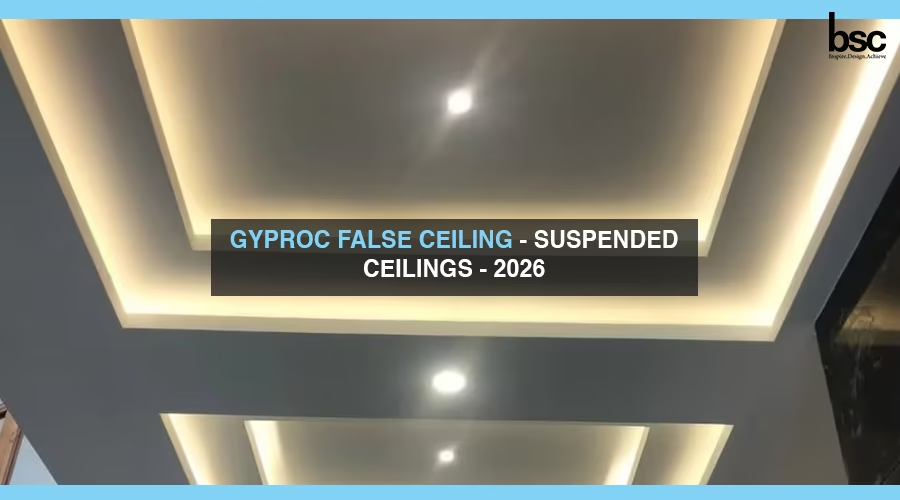
Modern commercial interiors are evolving rapidly, and ceiling design has become a crucial element in creating functional and visually appealing environments. One of the most popular ceiling solutions used in offices, corporate buildings, retail spaces, healthcare facilities, and educational institutions is the Gyproc False Ceiling, also known as a suspended ceiling system.
A Gyproc suspended ceiling is a secondary ceiling installed below the structural ceiling of a building. It consists of a lightweight metal framework that supports gypsum boards or tiles, creating a clean and uniform surface. This ceiling system enhances the aesthetics of interiors while providing practical benefits such as sound insulation, fire resistance, and improved lighting integration.
In 2026, Gyproc false ceilings continue to be a preferred solution for architects and interior designers due to their flexibility, durability, and modern design possibilities. Businesses today require interior solutions that are efficient, visually appealing, and adaptable to evolving workspace requirements. Suspended ceilings fulfill all these demands.
This comprehensive guide will explore everything you need to know about Gyproc false ceilings, including their structure, benefits, installation methods, types, design possibilities, maintenance, and why they are widely used in modern commercial interiors.
Understanding Gyproc False Ceilings
Gyproc false ceiling is a suspended ceiling system constructed using gypsum boards attached to a metal fraA mework. The framework is suspended from the main structural ceiling using hangers or suspension wires.
The result is a secondary ceiling layer that hides electrical wiring, air conditioning ducts, lighting fixtures, and other building services.
Gypsum boards used in Gyproc ceilings are manufactured using a core of gypsum plaster sandwiched between layers of special paper. This composition makes them lightweight, strong, and easy to shape or install.
Suspended ceilings are commonly used in commercial interiors because they allow easy access to hidden utilities while maintaining a clean and professional appearance.
Key Components of Gyproc Suspended Ceiling Systems
Understanding the basic components of a Gyproc suspended ceiling helps in appreciating how the system functions efficiently.
Metal Framework
The framework forms the structural base of the suspended ceiling. It is typically made of galvanized steel channels that support the gypsum boards.
These channels are designed to provide strength and stability while remaining lightweight.
Gypsum Boards
Gypsum boards form the visible surface of the ceiling. They provide a smooth and uniform finish that can be painted, textured, or decorated.
These boards are available in multiple varieties such as standard boards, moisture-resistant boards, and fire-resistant boards.
Suspension System
The suspension system includes hangers or wires that connect the metal framework to the main ceiling structure. This system allows the ceiling to hang evenly and maintain proper alignment.
Jointing Materials
Special compounds and tapes are used to seal the joints between gypsum boards. This creates a seamless ceiling surface with no visible gaps.
Finishing Materials
After installation, the ceiling surface is finished using primer, paint, or decorative textures to match the interior design of the space.
Why Gyproc Suspended Ceilings Are Popular in 2026
Modern commercial interiors require ceiling systems that are both functional and visually attractive. Gyproc ceilings provide a balanced solution by combining design flexibility with practical advantages.
Several factors contribute to their widespread popularity.
Clean and Professional Appearance
Gyproc ceilings create a smooth and uniform surface that enhances the visual appeal of commercial interiors. They help create organized and sophisticated spaces that reflect a company’s professional identity.
In offices and corporate environments, ceilings play an important role in shaping the overall atmosphere.
Concealing Building Services
Commercial buildings contain multiple utilities such as electrical wiring, fire safety systems, internet cables, air conditioning ducts, and lighting fixtures.
Gyproc suspended ceilings hide these elements while still allowing easy access for maintenance.
This ensures that interiors remain neat and clutter-free.
Acoustic Comfort
Noise control is essential in commercial environments, especially in offices, conference rooms, educational institutions, and healthcare facilities.
Gyproc ceilings improve sound absorption and reduce noise transmission between rooms, creating a comfortable acoustic environment.
Fire Safety
Many Gyproc boards are designed with fire-resistant properties. They slow down the spread of flames and provide additional time for evacuation during emergencies.
This makes suspended ceilings an important part of building safety systems.
Lighting Integration
Gyproc ceilings allow easy integration of various lighting solutions such as LED panels, recessed lights, cove lighting, and spotlights.
This flexibility helps designers create visually appealing lighting arrangements that enhance productivity and comfort.
Energy Efficiency
Suspended ceilings can improve energy efficiency by reducing the volume of space that needs to be heated or cooled.
This helps maintain stable indoor temperatures and can contribute to lower energy consumption in large commercial spaces.
Types of Gyproc False Ceilings
Gyproc ceiling systems come in several configurations depending on design requirements and building structure.
Grid Ceiling Systems
Grid ceilings consist of a visible metal framework that holds gypsum or mineral tiles in place.
These ceilings are commonly used in offices, retail stores, and institutional buildings because they allow easy access to utilities above the ceiling.
Concealed Ceiling Systems
Concealed ceilings hide the supporting framework completely, leaving only the gypsum surface visible.
This type of ceiling creates a seamless and elegant appearance and is often used in premium commercial interiors.
Acoustic Gyproc Ceilings
Acoustic ceilings are designed to absorb sound and minimize noise reflections.
They are commonly installed in conference rooms, auditoriums, training centers, and open office spaces.
Fire-Resistant Ceilings
Fire-rated gypsum boards provide additional protection against fire hazards.
These ceilings are used in areas where building safety standards require enhanced fire resistance.
Moisture-Resistant Ceilings
Moisture-resistant gypsum boards are used in areas exposed to humidity, such as kitchens, washrooms, and service areas.
These boards resist water damage and prevent structural deterioration.
If you want to get a complete guide on Types of False Ceiling then just click on the below button
Design Possibilities with Gyproc False Ceilings
One of the major advantages of Gyproc ceilings is their design flexibility. Architects and designers can create a wide variety of ceiling styles to match the overall theme of an interior space.
Layered Ceilings
Layered ceilings add depth and dimension to interiors. Multiple ceiling levels can be combined to create a dynamic and visually interesting design.
Cove Lighting Ceilings
Gyproc ceilings are often used to create hidden lighting channels. These channels produce soft ambient lighting that enhances the atmosphere of the room.
Geometric Designs
Gypsum boards can be shaped into geometric patterns such as rectangles, squares, circles, and curves. These patterns create distinctive ceiling designs in modern interiors.
Integrated HVAC and Lighting Systems
Gyproc ceilings can accommodate air conditioning diffusers, ventilation grills, and lighting fixtures within the design.
This integration helps maintain a clean and organized ceiling layout.
Installation Process of Gyproc Suspended Ceilings
The installation of Gyproc ceilings involves several carefully planned steps.
Step 1 – Planning and Measurement
The ceiling layout is designed according to the room dimensions and service requirements.
Accurate measurements ensure proper alignment and structural stability.
Step 2 – Framework Installation
Metal channels are fixed to the main ceiling using suspension hangers.
The framework is adjusted to create a level surface.
Step 3 – Board Installation
Gypsum boards are attached to the metal framework using specialized screws.
Each board is carefully aligned to maintain a smooth ceiling surface.
Step 4 – Joint Treatment
Joint tapes and compounds are applied between boards to eliminate visible seams.
This process creates a seamless appearance.
Step 5 – Finishing
The ceiling surface is sanded, primed, and painted according to the design requirements.
Lighting fixtures and ventilation elements are installed during this stage.
Maintenance of Gyproc False Ceilings
Maintaining a Gyproc ceiling is relatively simple and requires minimal effort.
Regular cleaning with a dry or slightly damp cloth helps maintain the ceiling’s appearance.
Periodic inspections should be conducted to ensure that there are no cracks, water leaks, or structural issues.
If damage occurs, individual gypsum boards can often be repaired or replaced without dismantling the entire ceiling system.
Gyproc Ceilings in Different Commercial Spaces
Suspended ceilings are widely used across multiple industries due to their adaptability.
Corporate Offices
In office environments, Gyproc ceilings help create organized workspaces with proper lighting and acoustic control.
Retail Stores
Retail spaces benefit from modern ceiling designs that enhance product displays and customer experience.
Healthcare Facilities
Hospitals and clinics require hygienic, fire-safe, and easy-to-maintain ceiling systems.
Educational Institutions
Classrooms and lecture halls benefit from improved acoustics provided by suspended ceilings.
Hospitality Spaces
Hotels and restaurants use decorative Gyproc ceilings to create visually appealing interiors.
Sustainability and Environmental Benefits
Gypsum is a naturally occurring material, and modern manufacturing processes allow it to be recycled and reused.
Many Gyproc ceiling systems are designed with sustainability in mind, helping reduce environmental impact while maintaining high performance.
Energy efficiency improvements provided by suspended ceilings also contribute to sustainable building practices.
Future Trends in Gyproc Ceiling Design – 2026
Ceiling design continues to evolve with changing architectural trends.
Some emerging trends include:
- Smart lighting integrated into ceilings
• Acoustic ceiling systems for hybrid workspaces
• Sustainable and recyclable materials
• Modular ceiling designs for easy upgrades
• Digital lighting controls embedded within ceilings
These trends highlight the growing importance of ceiling systems in shaping modern commercial interiors.
Gyproc False Ceilings from BSC Interiors
When it comes to high-quality commercial interior solutions, BSC Interiors Private Limited has established itself as a trusted name in the industry.
The company specializes in supplying and installing advanced ceiling systems for offices, corporate buildings, and commercial projects.
With expertise in modern interior solutions, BSC Interiors provides professionally designed Gyproc suspended ceilings that combine aesthetics, functionality, and durability.
Their team works closely with architects and designers to deliver ceiling systems that match the specific needs of each project.
Conclusion
Gyproc false ceilings have become an essential element of modern commercial interior design. Their ability to combine aesthetics with functionality makes them an ideal solution for offices, retail spaces, healthcare facilities, and institutional buildings.
By providing benefits such as improved acoustics, fire resistance, concealed utilities, and design flexibility, suspended ceilings contribute significantly to creating efficient and visually appealing work environments.
As architectural trends continue to evolve in 2026, Gyproc ceiling systems remain at the forefront of innovative interior solutions.
For businesses seeking modern, durable, and professionally designed ceilings, Gyproc suspended ceiling systems offer a practical and future-ready choice.