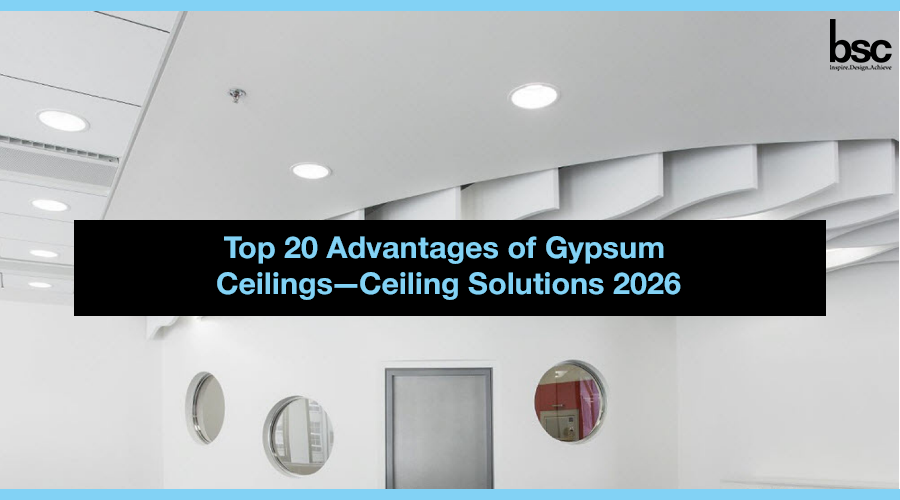
Gypsum Ceilings Aren't New — But They're Still Winning
Walk into almost any newly built apartment, office, or retail store today and there’s a good chance you’re standing under a gypsum ceiling without even noticing it. That’s kind of the point. Gypsum board — plasterboard, drywall, call it what you like — has become the default false ceiling material not because it’s flashy, but because it does the job consistently, project after project.
I’ve watched clients go back and forth between POP and gypsum for years, and the conversation almost always ends the same way once they hear the timeline and maintenance numbers. Gypsum isn’t the cheapest material on paper, and it isn’t the only option. But it’s the one that architects specify by default, and there’s a reason for that.
This guide walks through the 20 advantages of gypsum ceilings that matter most in 2026 — not generic marketing points, but the practical reasons contractors and homeowners keep choosing it. At the end, you’ll find answers to the most common questions people search for, plus a look at the manufacturing and installation partners — Gyproc and BSC Interiors — that make quality gypsum ceilings possible.
Top 20 Advantages of Gypsum Ceilings - 2026
Here’s the breakdown of all advantages of gypsum ceilings below:
- 1. It’s Genuinely Fire-Resistant
- It Won’t Overload Your Structure
- Installation Is Fast — And Time Is Money
- The Finish Is Seamless
- It Blocks and Absorbs Sound
- It Helps With Thermal Comfort
- Design-Wise, It’s Genuinely Flexible
- It Hides Lighting and HVAC Without a Fuss
- Moisture-Resistant Boards Exist for a Reason
- It’s Cost-Effective at Scale
- Maintenance Is Almost a Non-Issue
- Manufacturing Has Gotten Greener
- It Can Be Recycled
- It’s Ideal for Renovations
- It Fits Naturally Into Modular Construction
- The Range of Finishes Is Wide
- Certain Boards Support Better Indoor Air
- It Lasts, If It’s Installed Right
- The Systems Are Standardized and Tested
- Warranty and Support Are Built In
1. It’s Genuinely Fire-Resistant
Gypsum board has crystallized water locked into its core. When heat hits it, that water slowly turns to steam and escapes, which buys precious time before the material fails structurally. It’s why gypsum shows up in fire-rated wall and ceiling assemblies across commercial buildings — not as a nice-to-have, but as a code requirement in many jurisdictions.
2. It Won’t Overload Your Structure
Compare a gypsum ceiling to concrete or brick and the weight difference is significant. That matters more than people expect, especially in older buildings or high-rise retrofits where every kilogram on the ceiling grid counts.
3. Installation Is Fast — And Time Is Money
A gypsum false ceiling typically goes up in a fraction of the time wet plaster takes to apply and cure. On a commercial project with a tight handover date, that difference alone can be the deciding factor.
4. The Finish Is Seamless
When boards are taped and jointed properly, you get a smooth, paint-ready surface with no visible seams. It’s one of those details that separates a good installation from a mediocre one — the joint work is where craftsmanship actually shows.
5. It Blocks and Absorbs Sound
Gypsum’s density gives it decent acoustic performance out of the box, and it gets even better with acoustic-rated boards. That’s why you’ll find it in home theaters, hospitals, boardrooms, and any multi-family building where nobody wants to hear their neighbor’s ceiling.
6. It Helps With Thermal Comfort
A gypsum ceiling adds a layer of insulation that takes some pressure off your HVAC system — not dramatically, but enough to notice over a full year of use.
7. Design-Wise, It’s Genuinely Flexible
Flat ceilings, coves, tray designs, floating panels, multi-level drops — gypsum bends (sometimes literally) to whatever the design brief calls for. Rigid materials just can’t match that range.
8. It Hides Lighting and HVAC Without a Fuss
Recessed lights, cove lighting, AC diffusers, sprinkler heads, wiring — all of it disappears into the ceiling void behind a gypsum board. It’s one of the main reasons interior designers default to it when a space needs a clean, minimal look.
9. Moisture-Resistant Boards Exist for a Reason
Standard gypsum isn’t meant for bathrooms or kitchens, but MR (moisture-resistant) variants are built specifically for humid, high-moisture areas and hold up far better than untreated wood in the same conditions.
10. It’s Cost-Effective at Scale
Against wood paneling, metal ceilings, or POP, gypsum tends to land in a sweet spot — solid aesthetics without the premium price tag, which matters a lot once you’re pricing out an entire floor plate.
11. Maintenance Is Almost a Non-Issue
Once it’s painted, a gypsum ceiling mostly just sits there looking good. Occasional dusting, the odd repaint after a decade — that’s really it.
12. Manufacturing Has Gotten Greener
Modern gypsum board production increasingly uses recycled gypsum content, and several major manufacturers now publish sustainability data on their board lines — worth checking if your project needs green building credits.
13. It Can Be Recycled
Gypsum isn’t a dead-end material at demolition. A number of manufacturers run take-back programs for construction waste, which is more than you can say for a lot of building materials.
14. It’s Ideal for Renovations
Because it can go up over existing structures without major demolition, gypsum is often the least disruptive way to upgrade an old ceiling — no need to gut the space first.
15. It Fits Naturally Into Modular Construction
As prefabricated and modular building methods keep gaining ground in 2026, gypsum systems integrate cleanly with that approach, which is part of why it isn’t going anywhere as a specification default.
16. The Range of Finishes Is Wide
Matte paint, textured finishes, wallpaper, decorative cornices — gypsum takes to almost any surface treatment, so it rarely limits the interior style a designer is going for.
17. Certain Boards Support Better Indoor Air
Mold- and mildew-resistant gypsum variants exist specifically for improving indoor air quality in humid regions — a small detail, but one that matters for health-conscious clients.
18. It Lasts, If It’s Installed Right
Correct framing and proper jointing are the real determinants here — get those right, and a gypsum ceiling will comfortably outlast most renovation cycles.
19. The Systems Are Standardized and Tested
Because major manufacturers publish tested fire ratings, acoustic ratings, and load specs, architects can specify gypsum systems with a level of confidence you don’t always get with less-documented materials.
20. Warranty and Support Are Built In
Branded gypsum systems from established manufacturers usually come with product warranties and a network of certified applicators — which means less risk for whoever’s signing off on the project, homeowner or contractor.
“If you want to get to know about the disadvantages of gypsum ceilings then just click here….”
Who We Work With: Gyproc and BSC Interiors
None of the above matters much if the board is low-quality or the installation is rushed. That’s the part clients don’t always think about until something goes wrong — a sagging joint, a ceiling that cracks along the seams within a year. So we’re specific about who we partner with:
Gyproc (Saint-Gobain) — one of the most established names in gypsum board manufacturing, supplying fire-rated, moisture-resistant, and acoustic board systems, along with the technical specification support architects rely on when detailing a project.
BSC Interiors — our execution partner for on-site installation, covering framing, board fixing, jointing, and finishing through to handover. This is the part that actually determines whether a ceiling performs the way the spec sheet promises.
Sourcing genuine board from a manufacturer like Gyproc and pairing it with a certified installer like BSC Interiors is really the whole formula. Skip either half, and you’re gambling on warranty coverage and long-term performance.
QUICK SUMMARY

If you’re weighing gypsum against POP, wood, or metal, here’s the short version: gypsum ceilings win on fire safety, soundproofing, speed of installation, and design flexibility, at a price point that’s hard to beat. They’re light enough for older structures, they hide wiring and ductwork cleanly, and moisture-resistant versions handle bathrooms and kitchens without warping. We work with Gyproc (Saint-Gobain) for board and system materials, and BSC Interiors handles the distribution of gypsum ceilings materials.
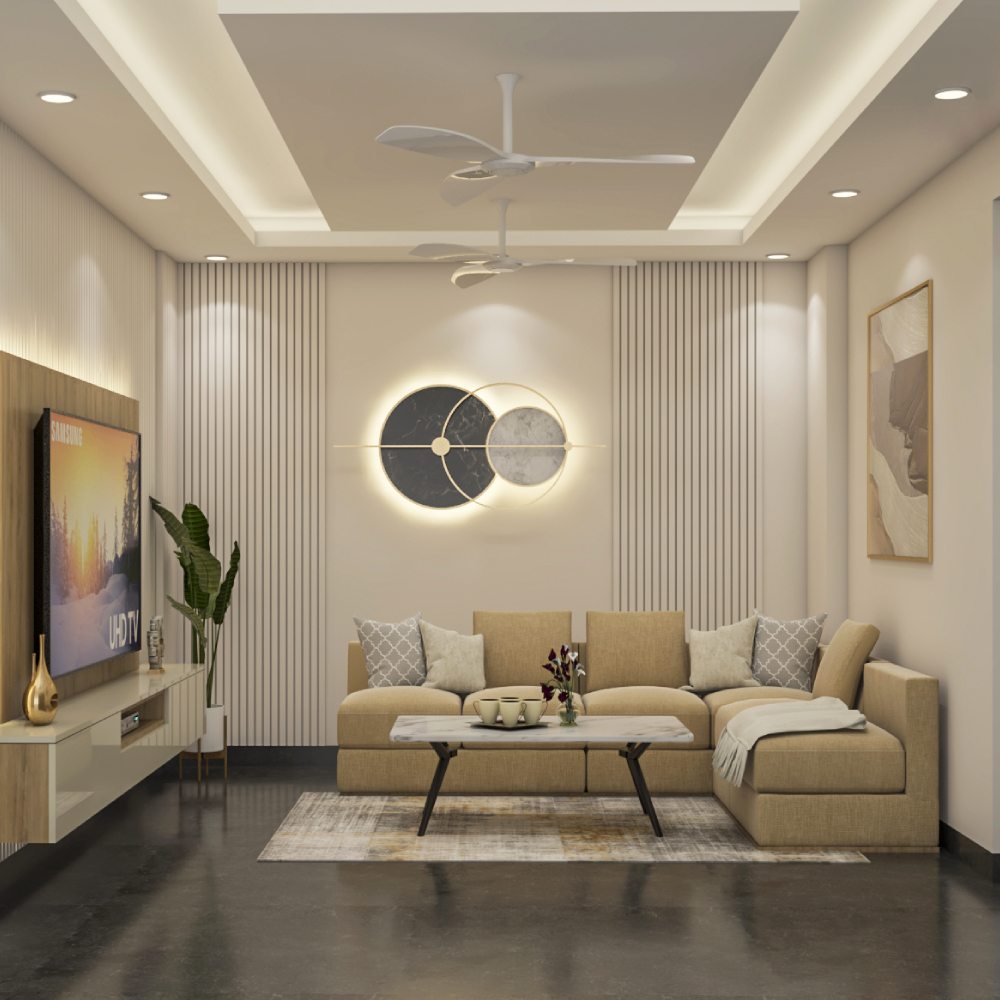
“IF YOU WANT TO GET A COMPLETE GUIDE OF PROS CONS OF GYPSUM CEILINGS THEN YOU CAN JUST CLICK HERE…”
Frequently Asked Questions

Disadvantages of a gypsum ceiling?
Prone to water damage, dents easily on impact, needs skilled installers (bad joints crack fast), and it’s a hassle to cut into once wiring or plumbing needs changing.
Is gypsum good for a ceiling?
Yes, for most rooms — fire-resistant, good sound insulation, flexible design. Just avoid it (or use moisture-resistant boards) in bathrooms and humid areas.
How long does a gypsum ceiling last?
15–25+ years if installed well and kept dry. Poor installation or water exposure is what usually cuts that short.
Gypsum or POP ceiling — which is better?
Gypsum: faster, lighter, more consistent quality. POP: better for intricate, hand-sculpted traditional designs, but messier and slower. Most modern spaces go with gypsum.
Best material for ceilings?
No single winner — gypsum is the best all-rounder, PVC for wet areas, wood for a premium look, metal for commercial spaces needing easy access above the ceiling.
PVC vs gypsum — which costs more?
Gypsum usually costs more due to labor and finishing work. PVC is cheaper and faster to install but can need replacing sooner in humid conditions.
FINAL WORDS
Gypsum ceilings didn’t become the industry default by accident. They balance fire safety, sound control, design freedom, and cost better than most alternatives, and that combination is hard to beat on any real project — residential or commercial. Pair genuine Gyproc materials with a certified distributor like BSC Interiors, and you get a ceiling that performs the way it’s supposed to for the long haul, not just on installation day.
If you have a project enquiry the just click on the below CLICK NOW Button
