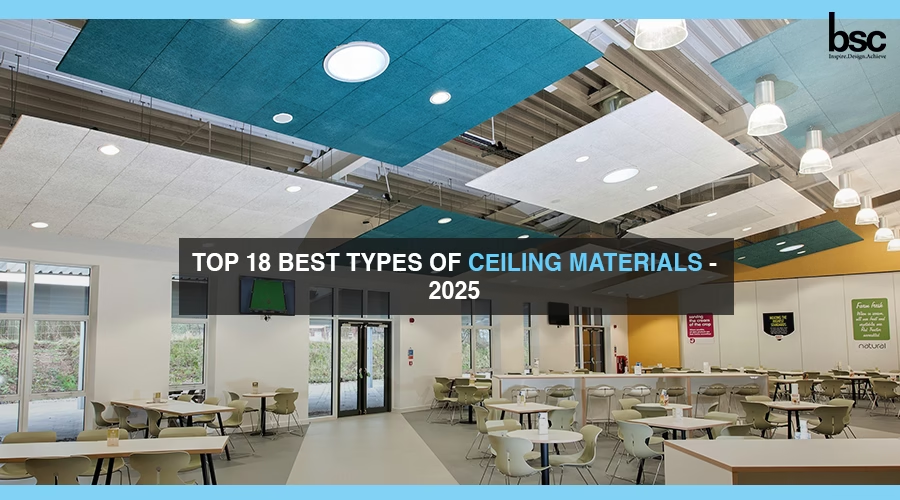
Are you envisioning a gypsum ceiling and its smooth, clean look—or even better acoustics with suspended mesh and mineral-fiber tiles? The question is, is PVC truly waterproof? Does wood cause echoes in rooms? Do some tiles discolor in damp basements? Based on over 30 different types of ceiling materials (and ceiling systems), this guide provides you with a quick decision tree for homes, offices, retail, healthcare, hospitality, education, and industrial spaces. Keep reading as you find a checklist, professional tips, and comparative information to help you make your choice.
What Counts as a Ceiling Materials
Two essential terms often come to mind when referring to roofs: roofing material and roofing system. These are different terms that refer to other elements of a standard roof pattern design and the process of constructing a roof.
Ceiling Material
The following are the types of ceiling surface materials:
- Gypsum board (smooth, paintable boards used in most homes)
- Popular in offices, these tiles are typically used for sound absorption (mineral fiber or fiberglass tiles).
- Metal, wood, or PVC (reinforced and decorative) panels.
- POP/GRG decorative ceiling elements (ceilings).
These materials determine the appearance, strength, and practicality of the Ceiling – affecting its sound, fire, and water resistance.
The Big Choice: Drywall (Direct-Fix) vs Suspended/Drop vs Surface-Mount
Choosing a ceiling installation system impacts not only appearance, but also maintenance, acoustics, and cost-efficiency. Here’s a detailed comparison to help you choose the best option.
Drywall (Direct-Fix Ceiling)
- Appearance: Uniform, smooth, and shiny finish – perfect for the modern home.
- Pros:
- Smooth, exquisite appearance.
- Fireproof (gypsum core).
- It can be shaped into beautiful designs.
- Cons:
- There is no easy way to install wiring/piping.
- Professional finishing is essential.
Suspended Ceiling
- Look: Removable tiles on a modular grid.
- Pros:
- All electrical and HVAC services are available.
- Mineral fiber tiles provide excellent acoustic insulation.
- Replace broken tiles only.
- Cons:
- A slight reduction in room height.
- Does not suit minimalist aesthetics.
If you want to know more about the suspended ceilings then you can get a complete guide by just clicking below:
Surface-Mount Ceiling
- Look: Planks or panels that are already installed directly onto the Ceiling.
- Pros:
- Great for renovations.
- Maintains ceiling height.
- Decorative and quick to install.
- Cons:
- Limited service access.
- Material selection is essential for acoustics.
Top 30 Types of Ceiling Materials
Here is the breakdown of all types of ceiling materials in front of you:
- Wooden False Ceiling
- Gypsum False Ceiling
- POP (Plaster of Paris) False Ceiling
- Metal False Ceiling
- PVC False Ceiling
- Fiber False Ceiling
- Glass False Ceiling
- Plaster Ceiling
- Coffered Ceiling
- Tray Ceiling
- Beam Ceiling
- Cloth / Fabric Ceiling
- Cement Board Ceiling
- GRG / GRP Ceiling
- Acoustic Ceiling Panels / Baffles
- Stretch Ceiling
- Composite Ceiling
- Cement Plaster Ceiling
- Mineral Fiber Ceiling Tiles
- Fibreglass Ceiling Tiles
- Calcium Silicate Ceiling
- Stone Wool Ceiling Tiles
- Wood Wool Acoustic Ceiling
- PET Felt Ceiling
- Bamboo Ceiling
- Laminate Ceiling Panels
- Open-Cell Ceiling
- Linear Metal Ceiling
- Expanded Mesh Ceiling
- Translucent Polycarbonate Ceiling
1. Wooden False Ceiling
Wooden false ceilings are warm and elegant, giving interiors a natural feel. Made from solid wood or veneers, they can be used in homes, offices, and hotels. They tend to be a bit more expensive, but they offer sound insulation and classic features, making them a popular choice when it comes to luxury and timeless design.
2. Gypsum False Ceiling
Gypsum false ceilings are created by attaching lightweight gypsum boards to a metal structure. They have a smooth, seamless finish and can be used for recessed lighting. Gypsum ceilings are generally considered fireproof and easily customizable, and are commonly used in homes, offices, and businesses today to create a clean and elegant look.
3. POP (Plaster of Paris) False Ceiling
POP false ceilings are made from gypsum plaster, which sets quickly, allowing them to be molded and designed in a variety of ways. They can be used in artistic and decorative interiors and are inexpensive compared to other materials. However, they must be adequately maintained as they can break easily and cannot be used in wet or humid conditions.
4. Metal False Ceiling
Metal false ceilings are made from aluminum or galvanized steel panels, which are used to enhance their strength, hygiene, and longevity. They offer a modern and sleek appearance, making them ideal for airports, hospitals, and commercial premises. They are moisture and fire-resistant, easy to maintain, and in many cases, come in perforated formats for greater acoustic compatibility.
5. PVC False Ceiling
False Ceilings: PVC false ceilings are made of lightweight, waterproof plastic panels that are durable. They are highly waterproof and termite-resistant, making them ideal for areas with a lot of water, such as bathrooms, kitchens, and basements. PVC ceilings are easy to install and clean, and are available in glossy or matte finishes. They are a stylish yet affordable interior solution.
6. Fiber False Ceiling
Fiber ceilings are made from mineral or fiberglass compressed materials. They have excellent soundproofing and thermal insulation properties, making them common in offices and auditoriums. Fiber ceilings are inexpensive, lightweight, and easy to install, making them an excellent product for noise reduction in commercial premises.
7. Glass False Ceiling
Glass false ceilings are made of transparent, frosted, or colored panels that reflect light, creating a light, spacious effect. These ceilings are available to enhance lighting and beauty in malls, showrooms, and modern offices. Tempered glass versions are safer and allow for improved backlighting, providing a high-quality finish.
8. Plaster Ceiling
Plaster ceilings: Plaster ceilings are made of lime or cement plaster on a metal or wooden frame. They are strong, sturdy, and smooth to the touch. They are not as decorative as POP or gypsum, but they last longer and are used in public buildings or traditional interiors.
9. Coffered Ceiling
Coffered ceilings are made from panels or grids that are recessed to give a building architectural depth and sophistication. They are often created over wood, gypsum, or POP in large rooms, lobbies, and banquet halls to create a luxurious look. They can also hide wiring and enhance acoustics, and while not aesthetically pleasing, they can be done discreetly.
10. Tray Ceiling
Tray ceilings are recessed in the center with raised edges for a three-dimensional appearance. They add charm to living rooms and bedrooms. Tray ceilings are often paired with LED lights, which enhance architectural appeal and create the illusion of height and space.
11. Beam Ceiling
Beam ceilings are also the exposed or simulated appearance of structural beams that can be made of wood, metal, or imitation materials. They can create rustic, traditional, or industrial-esque interiors. Beam ceilings can enhance personal space in a living room, but they should be spaced appropriately and placed high enough to maximize their visual appeal.
12. Cloth / Fabric Ceiling
Fabric ceilings incorporate decorative fabric attached to a frame to create a smooth and attractive appearance. They help control acoustics and lighting environments. Fabric ceilings are inexpensive, temporary, popular for events, restaurants, and creative interiors, and require periodic cleaning or replacement.
13. Cement Board Ceiling
Cement board roofing is made of fiber-reinforced cement sheets that are fire, water, and termite resistant. They are ideal for outdoor environments, toilets, and factory premises. They are robust, low-maintenance, and withstand moisture and harsh weather conditions.
14. GRG / GRP Ceiling
GRG (Glass Reinforced Gypsum) and GRP (Glass Reinforced Plastic) ceilings allow for complex architectural designs such as domes and arches. They are lightweight and durable and are commonly installed in auditoriums, hotels, and temples. These ceilings are durable and visually impressive, offering greater flexibility in structures and designs.
15. Acoustic Ceiling Panels / Baffles
Acoustic ceilings feature sound-absorbing panels or suspended baffles made of mineral fiber, fabric, or perforated metal. They enhance acoustic comfort in offices, studios, and auditoriums by reducing acoustic reflections and noise. These ceilings are aesthetically pleasing and functional, and can be used in open or large areas.
16. Stretch CeilingCeiling
Stretch ceilings consist of a flexible film made of PVC that is applied to a simple frame. They provide a shiny, smooth surface on which graphics or lights can be applied. These ceilings are often used in malls, showrooms, and modern homes. They are compact, affordable, stylish, and require little installation time.
17. Composite Ceiling
Composite ceilings are made by combining two or more materials, such as metal, wood, or fiber, to combine strength and beauty. They are long-lasting, easy to maintain, and perfect for commercial interiors. The combination of these materials improves performance—providing moisture resistance, sound absorption, and an attractive texture.
18. Cement Plaster Ceiling
Cement plaster and roofing materials are cement-sand mixtures that are applied directly to the surface. They are strong, fire-resistant, and durable, making them ideal for industrial or utility environments. They are simple in design, yet highly durable and maintenance-free.
19. Mineral Fiber Ceiling Tiles
Mineral fiber ceiling tiles are manufactured using mineral wool, recycled paper, clay and other natural materials. They offer effective sound absorption and are commonly installed with suspended ceiling grids. Their lightweight construction, accessible installation and clean appearance make them suitable for commercial offices, educational institutions, healthcare facilities and retail environments.
20. Fibreglass Ceiling Tiles
Fibreglass ceiling tiles consist of lightweight glass-fibre material covered with a decorative or acoustically transparent surface. They deliver excellent sound absorption and resist sagging in humid conditions. These tiles are especially suitable for auditoriums, recording rooms, offices, theatres and other commercial environments where acoustic performance is important.
21. Calcium Silicate Ceiling
Calcium silicate ceiling boards are manufactured using silica, lime and reinforcing fibres. They provide strong fire resistance, moisture stability and long-term durability. Because they remain dimensionally stable in challenging conditions, calcium silicate boards are widely considered for industrial facilities, commercial kitchens, healthcare environments and utility areas.
22. Stone Wool Ceiling Tiles
Stone wool ceiling tiles are made from volcanic rock fibres and are recognised for their acoustic, thermal and fire-resistant properties. Their porous composition helps absorb sound and improve indoor comfort. They are suitable for offices, schools, hospitals, auditoriums and commercial buildings requiring dependable fire and acoustic performance.
23. Wood Wool Acoustic Ceiling
Wood wool ceiling panels combine natural wood fibres with cement-based binders. Their distinctive textured surface provides sound absorption while introducing a warm architectural appearance. These panels are durable, impact-resistant and suitable for educational institutions, offices, restaurants, gymnasiums and recreational facilities.
24. PET Felt Ceiling
PET felt ceilings are manufactured from polyester fibres, frequently incorporating recycled plastic materials. They are available as ceiling panels, suspended clouds, baffles and customised shapes. PET felt helps control sound reflections while offering architects considerable colour and design flexibility. It is commonly used in offices, meeting rooms, cafés and collaborative environments.
25. Bamboo Ceiling
Bamboo ceilings use bamboo strips, slats, boards or woven panels to create a natural and visually distinctive finish. Bamboo is lightweight and renewable, making it an appealing material for hospitality, wellness, retail and environmentally conscious commercial projects. Proper treatment is important for maintaining moisture, termite and fire performance.
26. Laminate Ceiling Panels
Laminate ceiling panels consist of a decorative laminate surface applied over a suitable engineered substrate. They are available in wood, stone, solid-colour and textured finishes. Their consistent appearance and easy-to-maintain surface make them suitable for reception areas, retail stores, offices, restaurants and hospitality interiors.
27. Open-Cell Ceiling
Open-cell ceilings are modular metal systems featuring an open grid-like appearance. They visually organise the ceiling while allowing lighting, ventilation and building services to remain accessible. Their modern appearance and service-friendly configuration make them suitable for airports, shopping centres, transportation hubs, retail outlets and large commercial premises.
28. Linear Metal Ceiling
Linear metal ceilings are created using long aluminium or steel planks arranged in continuous parallel lines. They provide a clean architectural appearance and can accommodate lighting, ventilation and acoustic backing. These ceiling systems are durable and particularly suitable for airports, corporate offices, corridors, metro stations and institutional projects.
29. Expanded Mesh Ceiling
Expanded mesh ceilings use metal sheets that have been cut and stretched to form an open patterned surface. They provide an industrial architectural appearance while allowing airflow and access to overhead utilities. Lighting and acoustic materials can also be integrated above the mesh, making it suitable for offices, retail stores, airports and public buildings.
30. Translucent Polycarbonate Ceiling
Translucent polycarbonate ceiling panels allow light to pass through while providing a lightweight and impact-resistant overhead surface. They can be used with artificial backlighting or in selected areas receiving natural light. These panels are suitable for commercial corridors, atriums, retail environments and contemporary architectural applications.
Our Trusted Channel Partners for Ceiling Materials
BSC Interiors is fortunate to partner with some of the world’s top ceiling material manufacturers, and through this partnership, we are confident that our customers will receive the best quality, performance, and design.
All our channel partners focus on creating unique ceiling systems that combine functionality and beauty, making spaces efficient, sustainable, and inspiring.
Knauf Ceiling Solutions
Knauf Ceiling Solutions is a brand that provides innovative and durable ceiling systems and is recognized worldwide.
- Their portfolio includes mineral fiber, metal, and wood ceilings that feature high acoustics, fire resistance, and design flexibility.
- Knauf products are ideal for commercial offices, schools, and hospitals as they offer high durability and architectural performance.
- As an official distributor, BSC Interiors is a company that provides premium Knauf solutions for projects in India.
USG Knauf
USG Knauf, a collaboration between two industry leaders – USG Corporation (USA) and Knauf Group (Germany), produces the most advanced gypsum-based CeilingCeiling and drywall systems.
- Their products offer excellent durability, acoustics, and fire safety.
- With an emphasis on modular ceiling tiles, suspension systems, and grid frameworks, USG Knauf guarantees ease of installation and long-lasting performance.
- BSC Interiors, in collaboration with USG Knauf, provides its customers with global ceiling solutions that meet international standards and are trusted by architects and builders worldwide.
Everest Industries
Everest is one of the reputable building material brands in India, offering a wide variety of fiber cement boards, tiles, and ceiling systems.
- Everest is a moisture-resistant, strong, and durable ceiling material ideal for industrial, commercial, and institutional use.
- False ceilings, wall partitions, and façade solutions are the primary applications of Everest fiber cement boards, which offer an alternative to traditional materials due to their versatility and eco-friendliness.
- BSC Interiors collaborates with Everest to ensure that all projects benefit from longevity, precision, and long-term service.
Rockwool
Rockwool is a global leader in stone wool insulation and ceiling systems.
- Their products are highly fire-retardant, sound-absorbing, and thermally insulating, making spaces safer and more comfortable.
- Rockwool ceiling panels are ideal for offices, auditoriums, schools, and hospitals where acoustics and safety are paramount.
- BSC Interiors is an authorized partner providing Rockwool solutions for projects interested in high-quality acoustic and durable ceilings.
Why Choose BSC Interiors for Ceiling Materials
- Official dealer of global ceiling manufacturers.
- Project support services, including complete project assistance, finishing, supply, and installation.
- Availability of environmentally friendly, acoustically advanced, and fire-resistant materials.
- Trusted by government projects, architects, and contractors in India.
Conclusion: Choosing the Right Ceiling Defines the Space
Choosing the right ceiling material isn’t just about aesthetics, but also performance, comfort, and durability. All of these ceiling types, such as gypsum for a smooth texture, durable metal, moisture-resistant PVC, and wood for a timeless style, have their own purpose in transforming interiors.
A properly chosen ceiling can contribute to the visual beauty of any space, and it also improves acoustics, insulation, and fire safety. The most practical approach is to choose materials based on the ambiance, functionality, and design objectives of your project. Modern ceilings can be used on commercial buildings, schools, residential, and office ceilings, and this means endless design possibilities for both beauty and utility.
Build Smarter, Design Better with BSC Interiors
Are you interested in enhancing your interiors with the world’s best ceiling materials?
You can rely on BSC Interiors for the most suitable solutions for your project, such as acoustic ceilings in offices, decorative panels in hotels, or flexible systems in industrial plants.
Please schedule an appointment with our professionals now and discover ceiling materials that combine elements of innovation, beauty, and performance.