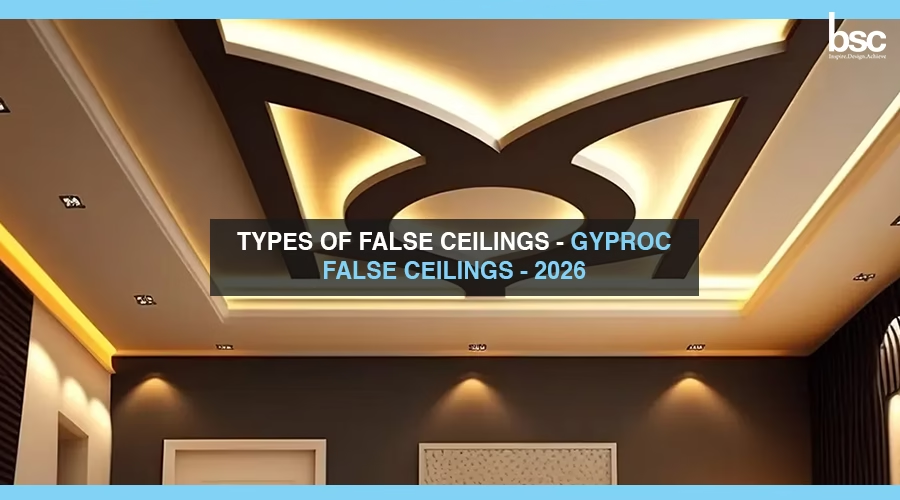
False ceilings have now become a necessity in interior design, particularly within business and office environments. No longer merely a decorative layer concealing the primary ceiling, they have evolved into functional systems that enhance acoustics, lighting, thermal insulation, and aesthetics. In 2026, the trend of utilizing advanced ceiling solutions in commercial spaces is on the rise, aiming to create work environments that are more functional, comfortable, and visually appealing.
Gyproc false ceilings stand out as a superior choice due to their adaptability to specific requirements, their durability against wear and tear, and the clean, seamless finish they provide. Thanks to their design flexibility and high-performance capabilities, these ceiling systems have gained immense popularity across offices, retail outlets, hospitals, hotels, and various commercial buildings. Gyproc systems can be tailored to meet the unique demands of any project—whether the objective is a minimalist aesthetic or an intricate, high-texture design.
This blog will provide an overview of all major types of false ceilings, with a particular focus on Gyproc ceiling systems. Each type is discussed in detail to assist you in selecting the ideal solution for your commercial interior project.
What is a False Ceiling?
A false ceiling—also known as a suspended ceiling—is an additional ceiling installed beneath the main structural ceiling. It is typically supported by a metal framework and is used to conceal wiring, ducts, pipes, and other structural components, as well as to enhance the aesthetic appeal of the interior design.
False ceilings are extensively used in the interiors of commercial buildings to optimize the distribution of lighting and acoustics, as well as to provide thermal insulation. They are also utilized to give spaces a clean and organized appearance, making them look more professional and modern.
What are Gyproc False Ceilings?
False ceilings are constructed using gypsum boards, which are mounted onto a metal framework to create a Gyproc false ceiling system. These ceilings feature a very smooth finish, offer fire resistance, and possess excellent sound-control capabilities. Gyproc systems are both lightweight and robust, making them suitable for executing a wide range of ceiling designs—from the simple to the intricate.
They are highly popular in offices and commercial buildings due to their ease of installation, minimal maintenance requirements, and exceptional durability. Furthermore, Gyproc ceilings are available in a variety of shapes, designs, and patterns, which is precisely why they remain a preferred choice among architects and interior designers.
If you want to get a coomplete guide of Gyproc False Ceilings then just click on the below button.
Types of False Ceilings
Here’s the breakdown of all types of false ceiling whcih we have mentioned below:
- Gypsum False Ceiling
- POP (Plaster of Paris)False Ceiling
- Metal False Ceiling
- PVC False Ceiling
- Wooden False Ceiling
- Glass False Ceiling
- Fabric False Ceiling
- Acoustic False Ceiling
- Grid (T-Bar) False Ceiling
- Suspended False Ceiling
Gypsum False Ceiling
In contemporary interior design, the most widely used type of ceiling is the gypsum false ceiling. These ceilings are constructed using gypsum boards, which are fixed onto a metal framework to achieve a smooth, uniform appearance and finish. They are highly favored due to their lightweight nature, ease of installation, and the clean, sophisticated aesthetic they impart.
Gypsum ceilings are highly durable and offer significant fire resistance, making them suitable for use in commercial spaces such as offices and retail outlets. They can also be seamlessly integrated with lighting systems—such as LED panels and spotlights—thereby further enhancing the overall ambiance. These ceilings play a pivotal role in modern interior design, as they facilitate the creation of intricate curved and multi-layered designs.
POP (Plaster of Paris) False Ceiling
Plaster is mixed to create decorative ceiling designs, specifically for crafting POP (Plaster of Paris) false ceilings, which are then mounted onto a lattice or framework. A distinctive feature of these ceilings is their ability to beautifully incorporate intricate patterns, curved designs, and artistic detailing, thereby lending a magnificent and opulent look to the home’s interiors.
Although POP ceilings offer a wide array of design options, creating them requires skilled artisans and significantly more time compared to gypsum ceilings. They are also somewhat heavier in weight, and their long-term maintenance can prove to be a bit challenging. Nevertheless, in settings where design aesthetics are accorded high priority, the demand for these ceilings remains exceptionally high.
Metal False Ceiling
Metal false ceilings are constructed using materials such as aluminum or steel panels, which are installed within a grid system. Their surfaces are highly robust and waterproof, as well as easy to maintain; consequently, they are ideally suited for commercial spaces such as airports, hospitals, and corporate offices.
Metal ceilings impart a distinctly modern and industrial aesthetic, while offering exceptional strength and durability. They also provide protection against fire and moisture, making them the perfect choice for environments with high humidity levels. Furthermore, their modular design ensures easy accessibility to electrical and HVAC systems.
PVC False Ceiling
PVC false ceilings are constructed from a lightweight plastic material that is resistant to both moisture and termites. These ceilings are typically utilized in areas prone to water exposure, such as washrooms and kitchens.
PVC ceilings are easy to install and require minimal maintenance, making them a cost-effective ceiling solution. However, they are not as durable or fire-resistant as gypsum ceilings. Although they are aesthetically pleasing, they are best suited for utility spaces rather than for high-end commercial establishments.
Wooden False Ceiling
Wooden false ceilings evoke a natural and cozy ambiance, making them an excellent choice for designing high-quality and luxurious spaces. These ceilings are constructed using wooden panels or planks, arranged in various patterns to enhance the overall aesthetic appeal.
While visually stunning, wooden ceilings can be quite expensive to maintain; furthermore, they remain susceptible to moisture damage and termite infestation. Typically, they are installed in upscale offices, conference rooms, and hotel suites—settings where the beauty and visual aesthetics of the space are of paramount importance.
Glass False Ceiling
By incorporating transparent or frosted glass panels into the ceiling design, a modern and stylish aesthetic can be achieved through a glass false ceiling. These ceilings help diffuse natural light, making spaces appear more expansive and open.
While glass ceilings offer a distinctive visual appeal, it is essential to ensure they are properly managed and supported. They are typically utilized in showrooms, corporate offices, and high-end commercial establishments where innovative design plays a pivotal role.
Fabric False Ceiling
Fabric false ceilings are constructed from flexible fabrics attached to a framework, creating a perfectly smooth and aesthetically pleasing surface. Typically utilized as decorative ceilings, they are available in a variety of specific prints, colors, and lighting effects.
Fabric ceilings are lightweight and easy to install; consequently, they are well-suited for temporary spaces or creative interior design projects. However, they may not be as durable as other types of ceilings, and their primary purpose is decorative rather than functional.
Acoustic False Ceiling
Acoustic false ceilings are designed to reduce noise levels and enhance the acoustic characteristics of a space. These ceilings are constructed using specialized materials—such as mineral fibers or perforated gypsum boards—that absorb sound and minimize reverberation.
They are highly popular in offices, conference rooms, auditoriums, and commercial spaces where a certain degree of noise control is required. Acoustic ceilings also boost productivity by creating a low-noise environment.
Grid (T-Bar) False Ceiling
A grid false ceiling, or T-bar ceiling, is a metal grid system that supports and holds ceiling tiles in place. These ceiling systems are predominantly utilized in commercial spaces due to their modular design and ease of installation.
They provide convenient access to electrical and mechanical systems, thereby making maintenance tasks both easier and more efficient. Grid ceilings can be constructed from materials such as mineral fiber, gypsum, and metal, and can be customized in terms of design and functionality to suit specific requirements.
Suspended False Ceiling
Suspended ceiling systems generally refer to any ceiling systems installed beneath the main structural framework using a supporting structure. These ceilings are highly popular in commercial interiors for concealing service lines and enhancing the aesthetic appeal of the space.
In terms of architectural design, they offer considerable flexibility; furthermore, lighting fixtures, air conditioning ductwork, and fire safety systems can be easily integrated into them. Suspended ceilings are indispensable in modern office environments, where design and functionality are inextricably linked.
Advantages of Gyproc False Ceilings
False ceilings made from Gyproc offer numerous advantages, making them an increasingly popular choice for interior construction in buildings. A major benefit is their smooth and flawless finish, which significantly enhances the overall aesthetic appeal of a space. They also possess excellent fire-resistant properties, rendering them a safe option for commercial establishments.
Another key advantage is their remarkable effectiveness in acoustic control; consequently, they help in reducing noise levels and improving sound quality. Gyproc ceilings are also lightweight, making their installation a relatively quick and effortless process. Furthermore, they offer a high degree of customization to suit specific requirements, thereby giving designers the creative freedom to craft innovative and modern ceiling designs.
Applications of False Ceilings in Commercial Spaces
In most business industries, the use of false ceilings is common for enhancing both the functionality and aesthetics of a space. In office environments, they are utilized to create a superior working atmosphere by optimizing lighting and minimizing noise levels. In retail stores, they serve to make the premises more visually appealing and the shopping experience more enjoyable.
In hospitals, false ceilings play a crucial role in maintaining a clean and organized environment. In hotels and hospitality venues, decorative ceilings are installed to craft magnificent interior designs that appeal to guests. Overall, false ceilings constitute an essential and integral component of modern commercial design.
Why Gyproc False Ceilings are Trending in 2026?
In 2026, Gyproc false ceilings are gaining increasing popularity due to their numerous modern features and their versatility across a wide range of applications. Companies are now placing a greater emphasis on the use of sustainable and efficient building materials, and gypsum ceilings effectively meet all these requirements. They are recyclable, energy-efficient, and environmentally friendly.
Another factor contributing to their growing demand is their seamless compatibility with modern lighting systems and smart technologies. Gyproc ceilings can be easily integrated with LED lighting, sensors, and HVAC systems, making them an ideal choice for smart offices and commercial buildings.
How to Choose the Right False Ceiling?
Selecting the right false ceiling depends on several factors, such as the nature of the space, the budget, and design requirements. For offices, acoustic ceilings and gypsum are the best options, as they offer both excellent functionality and aesthetic appeal. In areas with high humidity, PVC or metal ceilings should be utilized.
Before making a selection, it is also essential to consider key factors such as maintenance requirements, durability, and installation time. By working with experienced professionals, you can rest assured that the ceiling system will be installed correctly and will effectively meet all your specific needs.
Maintenance Tips for False Ceilings
False ceilings require proper maintenance to ensure their longevity. Regular cleaning is beneficial, as it keeps them looking neat and prevents the accumulation of dust and dirt. In the event of any damage or cracks, repairs should be carried out immediately.
In the case of gypsum ceilings, preventing water leakage is crucial to avoid any potential damage. While metal and PVC ceilings are not particularly difficult to maintain, they should still be inspected periodically. With proper care, a ceiling can last for many years, retaining both its aesthetic appeal and its functional integrity.
BSC Interiors – Authorized Gyproc Distributor in India
A diverse range of high-quality products in the market that are utilized in commercial interior projects. With years of experience in the industry and a robust network, BSC Interiors has emerged as a trusted partner for architects, designers, and businesses in need of reliable ceiling solutions.
As a licensed distributor, BSC Interiors ensures that the Gyproc products it distributes are authentic and of international quality standards. The company is committed to ensuring that clients receive the finest materials, along with professional guidance on selecting the appropriate ceiling system to meet their specific project requirements. Regardless of the size—whether it be a corporate office, retail showroom, healthcare center, or hospitality space—BSC Interiors consistently delivers solutions that combine both aesthetic appeal and functional performance.
Customer satisfaction stands as one of BSC Interiors’ greatest strengths. The team collaborates closely with clients to understand their needs, delivering customized solutions that align perfectly with their design vision and budgetary constraints. From product selection through to project completion, BSC Interiors promises a seamless and hassle-free experience.
In addition to supplying Gyproc false ceilings, BSC Interiors offers a comprehensive range of interior solutions, including acoustic systems, flooring, wall panels, and various other products. This positions the company as a “one-stop shop” for businesses looking to transform their commercial spaces using smart and effective interior products.
With a steadfast focus on quality, innovation, and reliability, BSC Interiors continues to remain at the forefront of modern commercial interior design in India. By partnering with renowned brands and delivering exceptional service, the company helps businesses create workspaces that are functionally optimal, aesthetically appealing, and future-ready
Conclusion
Nowadays, false ceilings have become an integral part of modern commercial interiors, holding significance from both practical and aesthetic perspectives. With a wide variety of ceiling types available, businesses have the opportunity to select the specific type that best aligns with their unique requirements.
Among these options, Gyproc false ceilings stand out as the most popular and effective choice in 2026. Their application in offices, retail spaces, and commercial buildings is considered an excellent choice due to their durability, design flexibility, and superior performance.
A high-quality false ceiling not only enhances the visual appeal of your space but can also be utilized to improve productivity, comfort, and the overall user experience. With the ongoing advancements in the field of commercial interiors, false ceilings are poised to play a pivotal role in creating modern and efficient interior environments.